
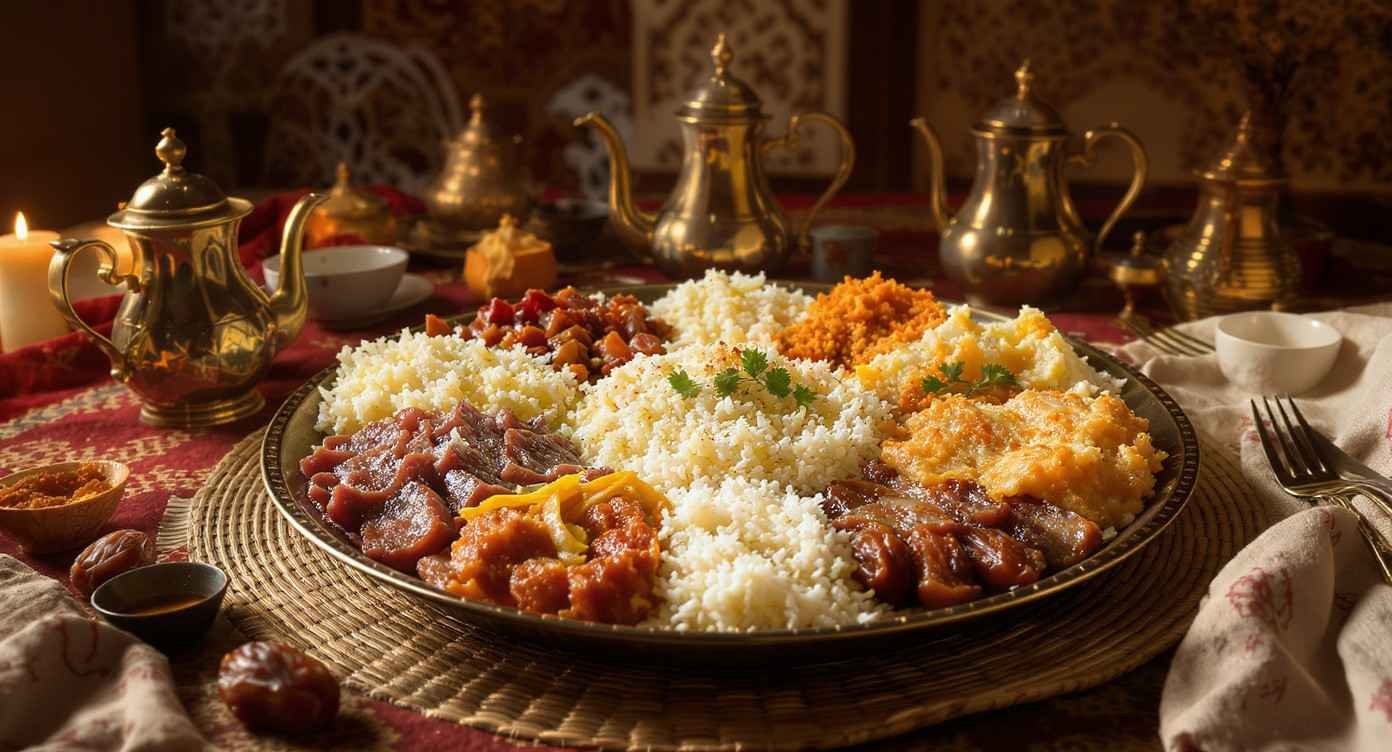
Explore traditional Omani cuisine, its rich history, popular dishes, and cultural significance. Learn how traditional Omani food reflects Oman’s heritage and hospitality.
Traditional Omani food reflects the heart of Oman’s culture, history, and hospitality. Shaped by centuries of trade with Africa, India, and the Arabian Peninsula, Omani food is known for its slow-cooked dishes, aromatic spices, and deep cultural meaning. Every meal tells a story of community, generosity, and respect—values that remain central to Omani life today.
From festive dishes prepared for Eid to everyday meals shared among family members, traditional food plays a vital role in both social and cultural traditions. For travelers, food enthusiasts, and service-based businesses, exploring Omani food offers an authentic way to connect with Oman’s heritage while experiencing flavors that have been preserved across generations.
Cultural Significance
Traditional Omani food is more than nourishment; it is a reflection of Oman’s history, geography, and deeply rooted traditions. Influenced by centuries of trade with Africa, India, Persia, and the wider Arabian Peninsula, Omani cuisine has developed a unique identity that sets it apart from other Middle Eastern foods. For travelers, food lovers, and service-based businesses alike, understanding traditional food offers a gateway into the heart of Omani culture.
Oman’s strategic location along ancient maritime trade routes allowed spices, ingredients, and cooking techniques from different regions to blend harmoniously with local customs. Despite these influences, Omani cuisine has retained its simplicity, focusing on slow cooking, balanced spices, and communal dining. Food in Oman is closely tied to hospitality, respect, and generosity—values that remain central to Omani society today.
Food Foundations
At the core of traditional food in Oman are locally available ingredients such as rice, wheat, dates, fish, meat, and aromatic spices. Unlike cuisines known for intense heat, Omani food emphasizes fragrance and depth rather than spiciness. Commonly used spices include cardamom, saffron, turmeric, cloves, cinnamon, and dried limes.
Dates deserve special mention, as they are a staple in Omani households and symbolize hospitality. Guests are almost always welcomed with dates and Omani coffee (kahwa), reinforcing the cultural importance of food as a social connector. This approach to food highlights how traditional food is closely intertwined with daily life and ceremonial occasions alike.
Cooking Methods
One defining feature of traditional food is the method of preparation. Many dishes are slow-cooked for hours or even days, allowing flavors to fully develop. Cooking techniques such as underground roasting, long simmering, and steaming are common, especially for celebratory meals.
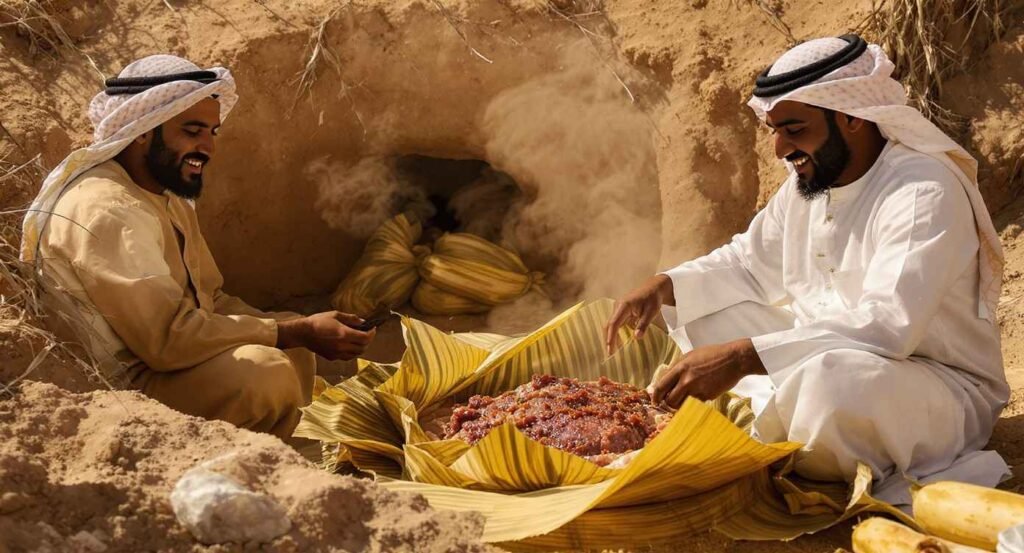
Meals are often prepared for large groups, emphasizing community and togetherness. Families gather around shared platters, reinforcing bonds and strengthening social ties. This communal style of eating reflects the essence of traditional food across many cultures.
Popular Dishes
Shuwa Signature Dish
Shuwa is widely regarded as the most iconic example of traditional Omani food. Prepared mainly during Eid and special celebrations, shuwa involves marinating lamb or goat with spices, wrapping it in palm or banana leaves, and cooking it underground for up to 48 hours. The result is exceptionally tender meat infused with deep, smoky flavors.
Shuwa is not just a dish—it is an event that brings families and communities together, highlighting the social role of food in Omani culture.
Majboos (Kabsa)
Majboos is a fragrant rice dish cooked with meat, chicken, or seafood. While similar dishes exist throughout the Gulf region, Omani majboos has a distinctive spice profile that makes it a standout in Omani food traditions. It is commonly served during family gatherings and celebrations.
Harees
Harees is a comforting dish made from wheat and meat, slow-cooked until it reaches a creamy consistency. Often enjoyed during Ramadan, Harees represents the simplicity and nourishment central to traditional food in Oman.
Mashuai
Mashuai consists of spit-roasted kingfish served with lemon-flavored rice. Given Oman’s long coastline, seafood plays an essential role in traditional Omani food, especially in coastal communities.
Omani Halwa
No discussion of traditional Omani food is complete without mentioning Omani halwa. This gelatinous sweet is made with sugar, rosewater, saffron, cardamom, and nuts. It is typically served with coffee and is a symbol of hospitality and celebration.
Daily Food Culture
In everyday life, Omani meals are simple yet nourishing. Breakfast may include bread, honey, dates, and tea, while lunch and dinner often feature rice, meat, or fish accompanied by sauces and salads. These meals reflect the practical nature of traditional food, designed to sustain families in Oman’s climate while preserving flavor and nutrition.
Food is also closely linked to religion and seasonal events. During Ramadan, special dishes are prepared for iftar, and during Eid, families gather to enjoy elaborate meals that showcase Omani food at its finest.
Global Food Traditions
Every culture expresses its identity through cuisine. Just as traditional Peruvian food is celebrated for its bold flavors and diverse ingredients, and traditional Haitian food reflects African, French, and Caribbean influences, Omani cuisine tells a story shaped by desert landscapes, coastal life, and global trade.
Despite differences, all traditional food cultures share common values: respect for heritage, communal dining, and passing recipes from one generation to the next. Understanding traditional Omani food within this global context highlights its unique place among world cuisines.
Business Relevance
For service-based businesses such as travel agencies, cultural tour operators, restaurants, and event planners, featuring traditional Omani food adds authenticity and value. Visitors increasingly seek meaningful experiences, and food is often at the top of that list.
Content centered on Omani food helps build trust, improve search visibility, and attract audiences interested in cultural tourism and culinary exploration. Highlighting traditional food also positions your brand as knowledgeable and culturally respectful.
Food Preservation
As modernization continues, preserving traditional Omani food becomes increasingly important. Families, chefs, and cultural institutions play a vital role in keeping recipes, techniques, and food customs alive.
By celebrating and sharing traditional food, Oman ensures that future generations remain connected to their heritage. This preservation also allows visitors and global audiences to appreciate the richness of Omani cuisine.
Summary
Omani food is a powerful expression of Oman’s cultural identity, shaped by centuries of history, trade, and tradition. From the careful use of aromatic spices to slow-cooking techniques passed down through generations, Omani food reflects patience, hospitality, and respect for heritage. Iconic dishes such as shuwa, majboos, harees, and mashuai are not simply meals; they are cultural experiences that bring families and communities together.
In everyday life and during major celebrations, Omani food plays a central role in strengthening social bonds and preserving customs. The emphasis on communal dining, generosity toward guests, and the symbolic offering of dates and coffee highlights how deeply food is woven into Omani values.
For travelers and food enthusiasts, Omani food offers an authentic way to understand the country beyond its landscapes and architecture. For service-based businesses, showcasing Omani food helps build credibility, attract culturally curious audiences, and create meaningful connections with visitors seeking genuine experiences. By celebrating and preserving Omani food, Oman continues to share its rich heritage with the world.
FAQs
What is traditional Omani food best known for?
Traditional Omani food is best known for its slow-cooked dishes, fragrant spice blends, and strong emphasis on hospitality. Rather than being spicy, traditional Omani food focuses on balanced flavors, aroma, and nourishment, making it suitable for all palates.
What is the most popular traditional Omani food served during celebrations?
Shuwa is the most popular traditional Omani food served during major celebrations such as Eid. The underground cooking process and long preparation time make it a special dish reserved for important occasions and communal gatherings.
Is traditional Omani food suitable for visitors and tourists?
Yes, traditional Omani food is very suitable for visitors. Its mild flavor profile, use of natural ingredients, and variety of meat, seafood, and vegetarian-friendly dishes make it appealing to a wide range of tastes.
How does traditional Omani food reflect Omani culture?
Traditional Omani food reflects Omani culture through its emphasis on sharing, generosity, and respect. Meals are often served on large communal platters, reinforcing family bonds and social unity while honoring guests.
What role does seafood play in traditional Omani food?
Seafood plays a vital role in traditional Omani food, especially in coastal regions. Dishes like mashuai highlight Oman’s strong connection to the sea and its reliance on fresh, locally sourced fish.
Are there vegetarian options in traditional Omani food?
Yes, while many dishes include meat or fish, traditional Omani cuisine also features vegetarian elements, such as rice, lentils, vegetables, dates, bread, and wheat-based dishes that can be enjoyed without meat.
Why is traditional Omani food important for cultural and culinary tourism?
Traditional Omani food is important for cultural tourism because it offers an authentic and immersive experience. Visitors gain insight into Oman’s history, traditions, and values through its cuisine, making food a key part of meaningful travel experiences.